


Top Crypto Quest Tools & Platforms for Web3 Projects in 2026 [Updated]


Heading
- Cointelegraph Formula offers various ad formats to 8 million monthly readers across 190+ countries, leveraging its trusted name in crypto.
The best crypto quest platforms offer users a fresh way to earn cryptocurrency through engaging tasks and educational content.
Some of the top crypto quest platforms, like Zealy, Galxe, and BitDegree, represent a growing trend in the cryptocurrency space. These quest-to-earn tools merge education, community engagement, and financial rewards into a single, interactive experience.
With the rise of these quest-to-earn platforms, it's essential to identify the top players and know how to use them.
In this listicle, we'll delve into the features, benefits, and unique selling points of the leading crypto quest platforms.
But, before we get started, if you want to learn more about crypto quests, I have an article specifically to walk you through what crypto quest platform are, how they operate, and so on. Check it out.
Best Crypto Quest Platforms in 2026
The best Web3 quest platforms in 2026 include several notable contenders, like QuestN, Zealy, and Galxe. QuestIn stands out with its massive 206 million user base and 3.5 million minted NFTs.
Zealy is known for its customizable quests and detailed analytics. Galxe boasts over 26 million users and offers cross-chain capabilities.
Other top contenders are TaskOn, with its decentralized approach, and Layer3, offering quests across 25 blockchains.
Let’s explore these and other leading platforms in detail:
- Zealy
- Galxe
- BitDegree
- TaskOn
- DeQuest
- SoQuest
- QuestN
- RabbitHole
- DappBack
- Layer3
Here's a glance of how they all compare to each other:
1. Zealy: Your One-Stop Shop for Community Quests
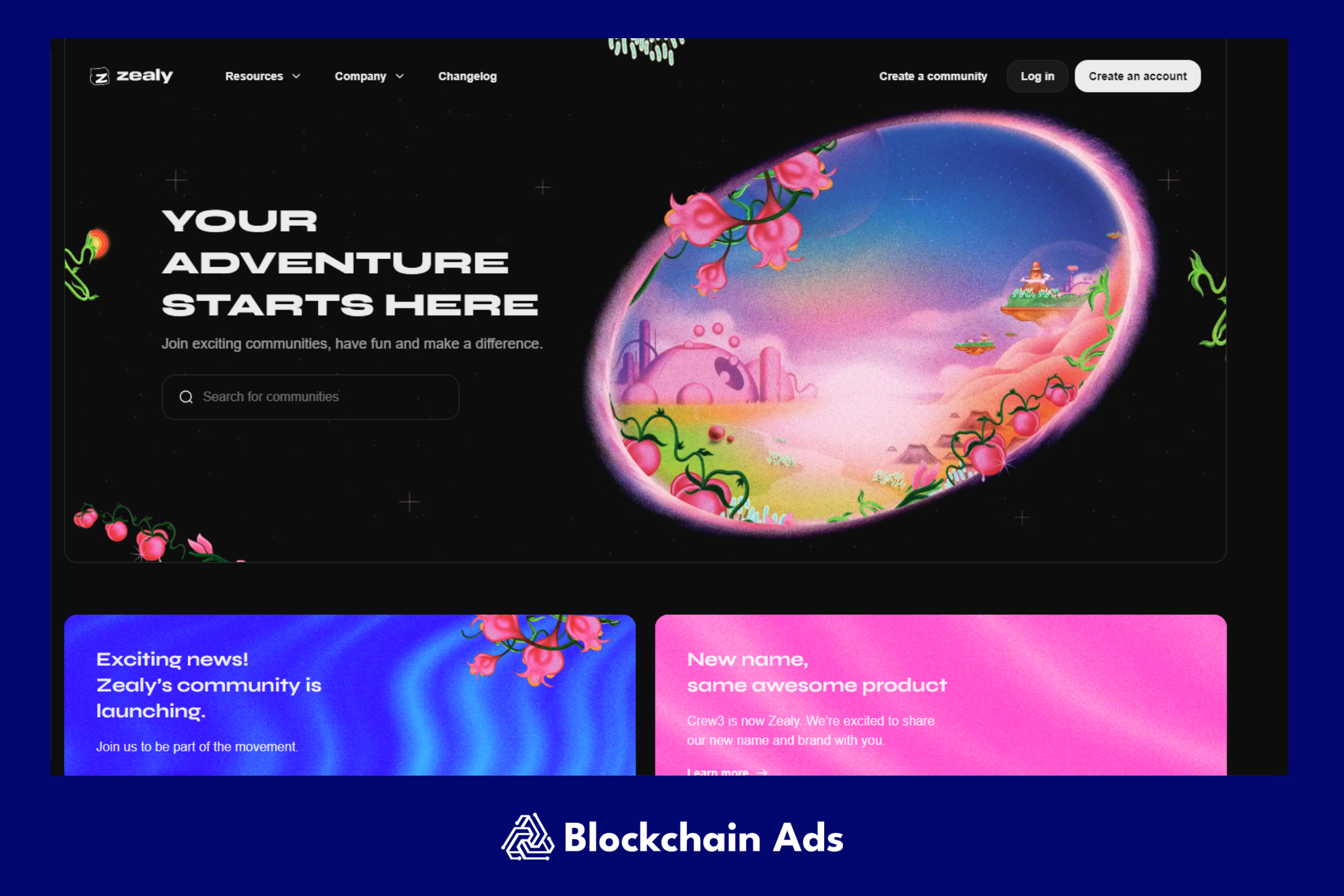
Zealy offers a gamified quest system for Web3 projects, covering both on‑chain and off‑chain tasks. Users complete actions such as following social channels, joining Discord, posting content, or interacting with smart contracts to earn tokens, NFTs, or exclusive access.
Zealy integrates with Discord, X (Twitter), and blockchain wallets, which makes it easy for teams to centralize community engagement. It also supports user‑generated video creation inside quests, helping projects turn their own community into a content engine.
With around 700,000 monthly active users and over 100 million completed quests, Zealy has become a critical platform for major players like Polygon and Ubisoft. Detailed analytics on acquisition costs, retention, and token velocity give projects clear insight into which quests actually move the needle.
Best for:
- Protocols and NFT projects that want deeply gamified, season‑based community programs.
- Teams that need granular analytics for LTV, cohort behavior, and cross‑campaign performance.
2. Galxe: The Web3 Credential Superstar
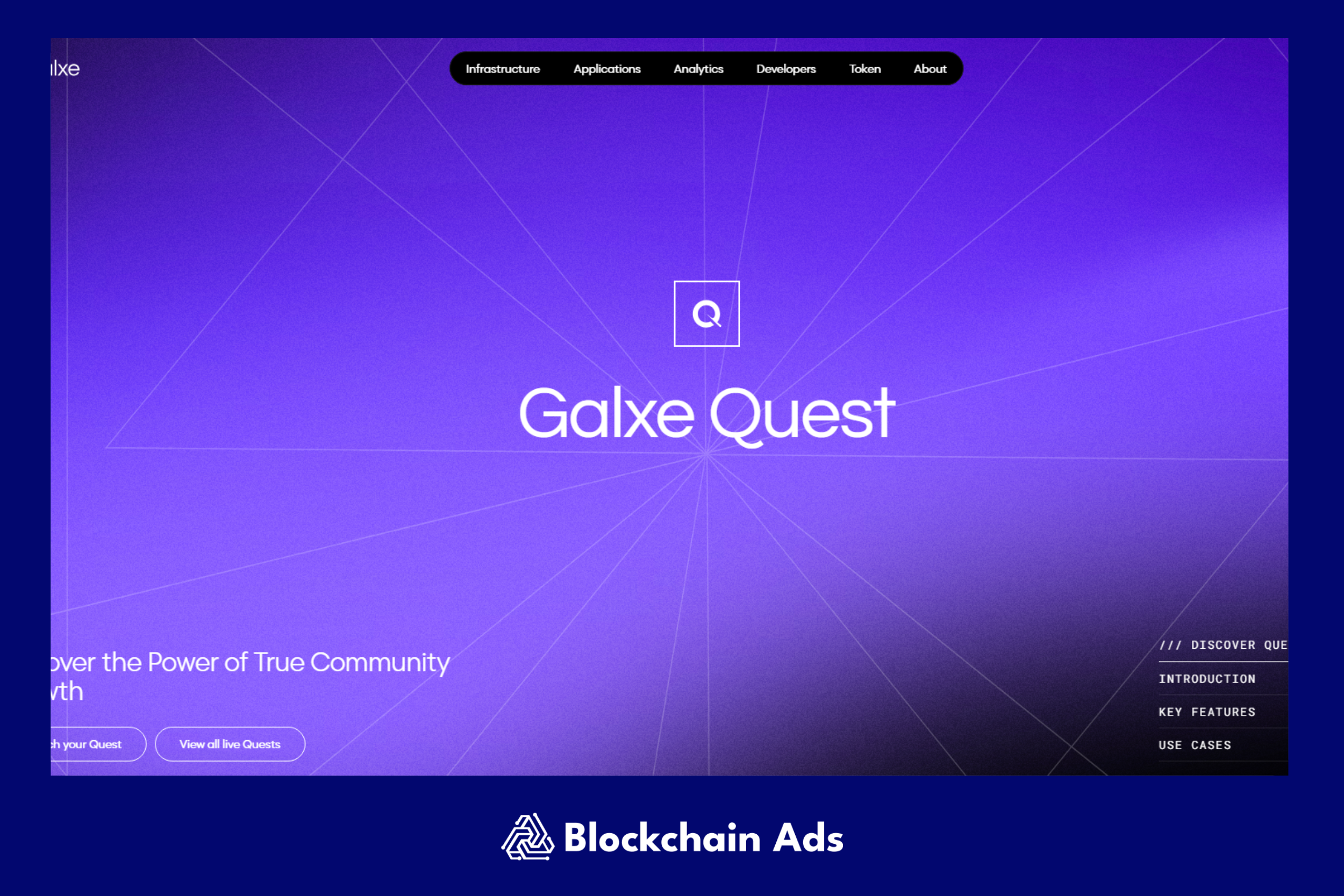
Formerly known as Project Galaxy, Galxe is one of the largest crypto‑quest platforms and on‑chain distribution layers in Web3. It refers to quests as “campaigns,” but the idea is similar: users complete tasks to earn credentials, NFTs, and rewards while building a verifiable on‑chain history.
Galxe’s no‑code quest builder has facilitated more than 668 million completed quests, helping projects run everything from simple airdrop campaigns to complex, multi‑step journeys. By 2024, the platform had attracted over 26 million active users, including major spikes in activity during events such as the Solana Takeover.
The credential system is a key differentiator. Projects can design campaigns that reward long‑term engagement and past behavior, not just one‑off actions. This makes Galxe especially useful for loyalty programs, ecosystem‑wide events, and cross‑chain growth.
Best for:
- Established ecosystems needing cross‑chain campaigns and credential‑based loyalty.
- Projects that want to tie rewards to verified histories rather than single isolated actions.
3.BitDegree: Education‑First Missions and Learn‑to‑Earn
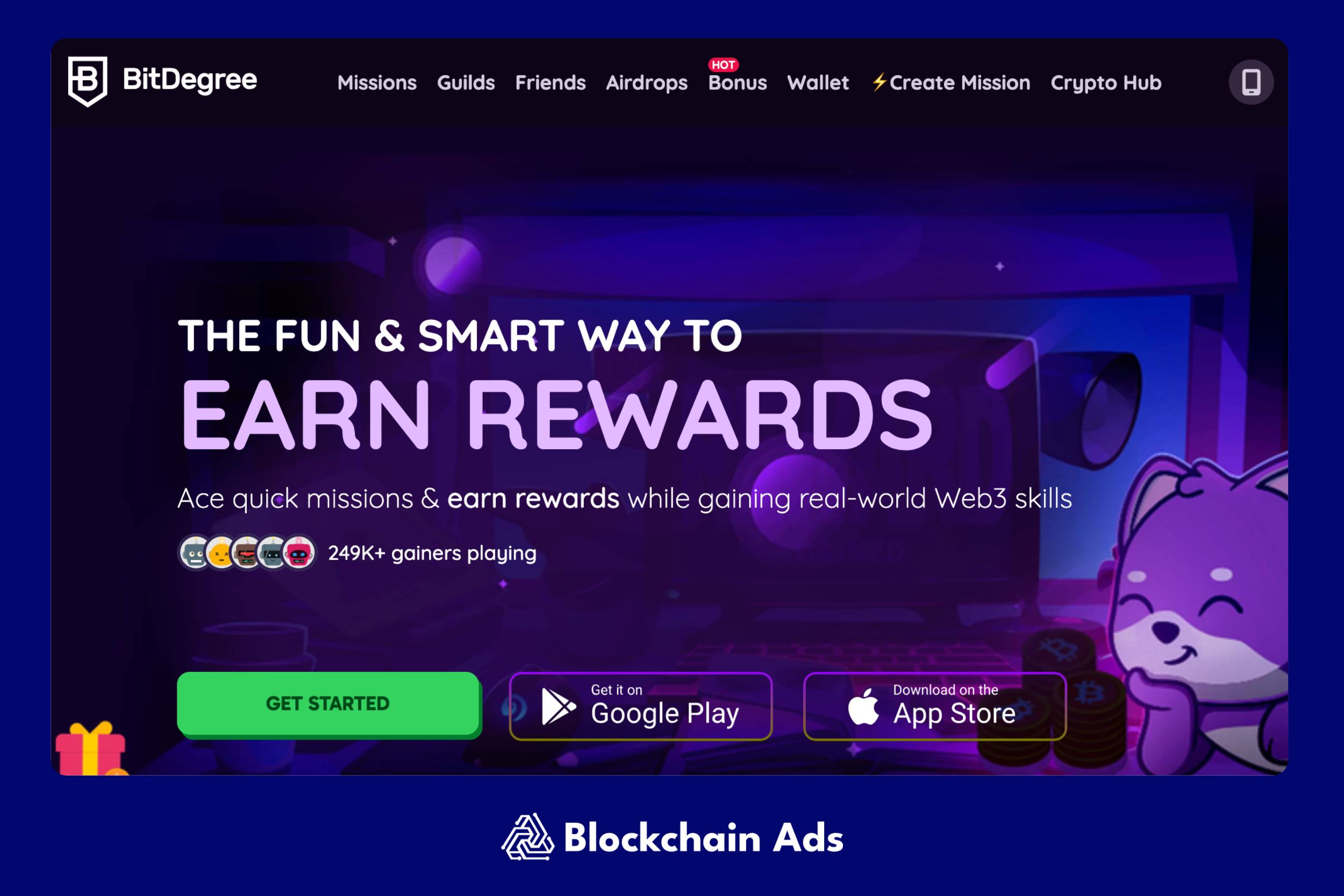
BitDegree combines a full crypto education platform with quest‑style “Missions” and learn‑to‑earn programs. Users complete structured courses, quizzes, and micro‑tasks and can earn Bits (points), crypto, stablecoins, NFTs, or entries into prize pools.
Missions often blend micro‑tasks (sign‑ups, simple trades), social actions (joining Telegram or Discord, referrals), and knowledge checks. Bits are redeemable for tokens, NFTs, hardware, merch, and other rewards, which makes the system attractive for users who want to learn and earn at the same time.
For projects, BitDegree offers a way to attach rewards to verified understanding rather than just clicks. This is useful when explaining complex products such as derivatives platforms, lending markets, or AI tooling.
Best for:
- Projects that want deep educational flows (modules, quizzes, guided tasks) instead of purely promotional quests.
- Protocols, exchanges, and tooling platforms that need users to truly understand features, risks, and mechanics before providing rewards.
4. TaskOn: The Web3 Task Master
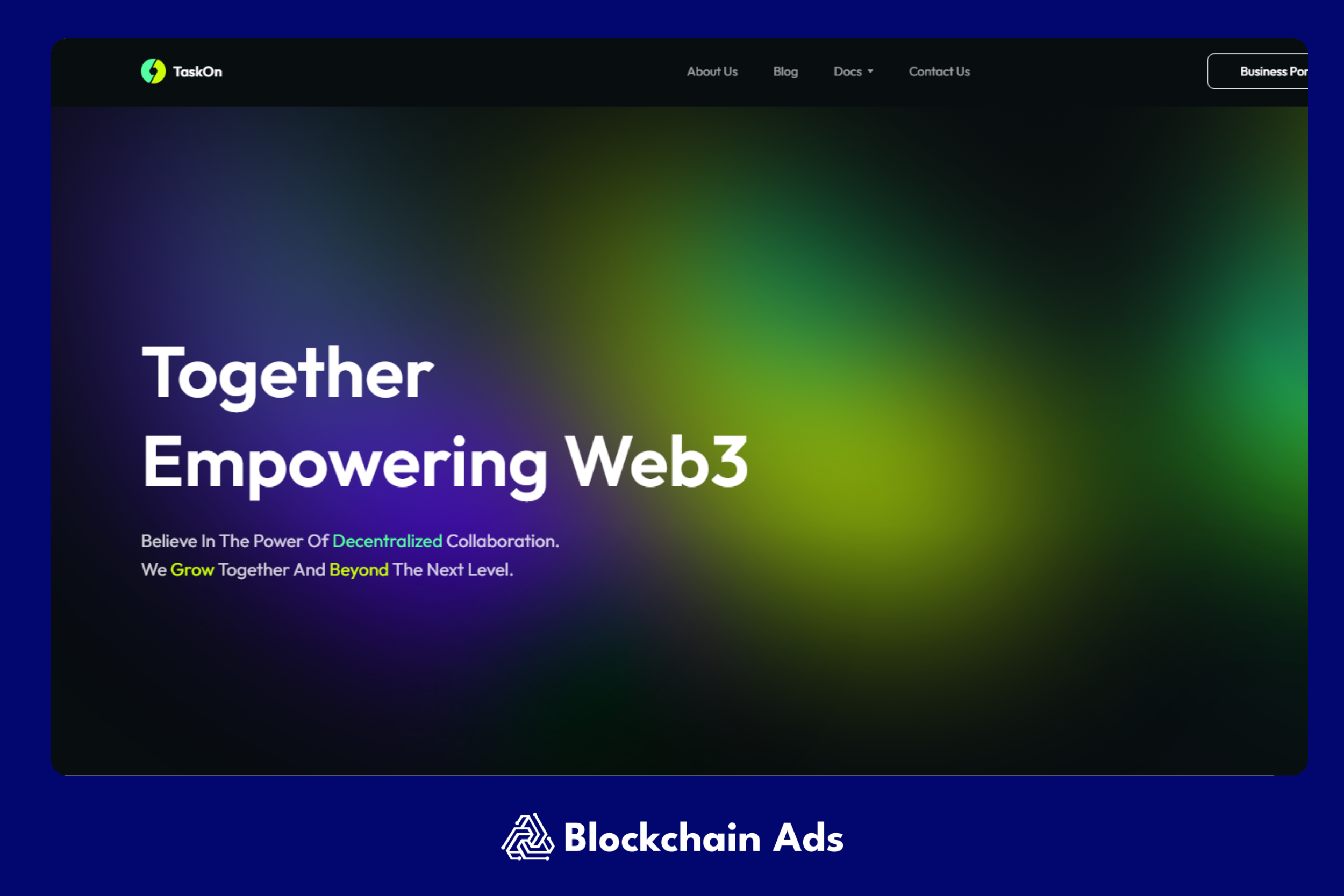
TaskOn supports a wide range of on‑chain and off‑chain tasks, from social engagement to smart contract interactions. It has facilitated more than 141 million completed tasks across over 3,000 communities, making it one of the most active quest environments in Web3.
Projects can post customized tasks or campaigns and reward users with tokens or NFTs upon completion. TaskOn also leans into gamification by including activities like games and trivia, which help keep users engaged between more complex on‑chain actions.
Because of its decentralized approach and focus on reliable verification, TaskOn works well for DeFi protocols, infra projects, and campaigns that require strong on‑chain proofs.
BestBest for:
- DeFi protocols, infra projects, and technically sophisticated teams.
- Campaigns that prioritize verifiable on‑chain actions and decentralized execution.
5. DeQuest: Where Metaverse Meets Play-to-Earn
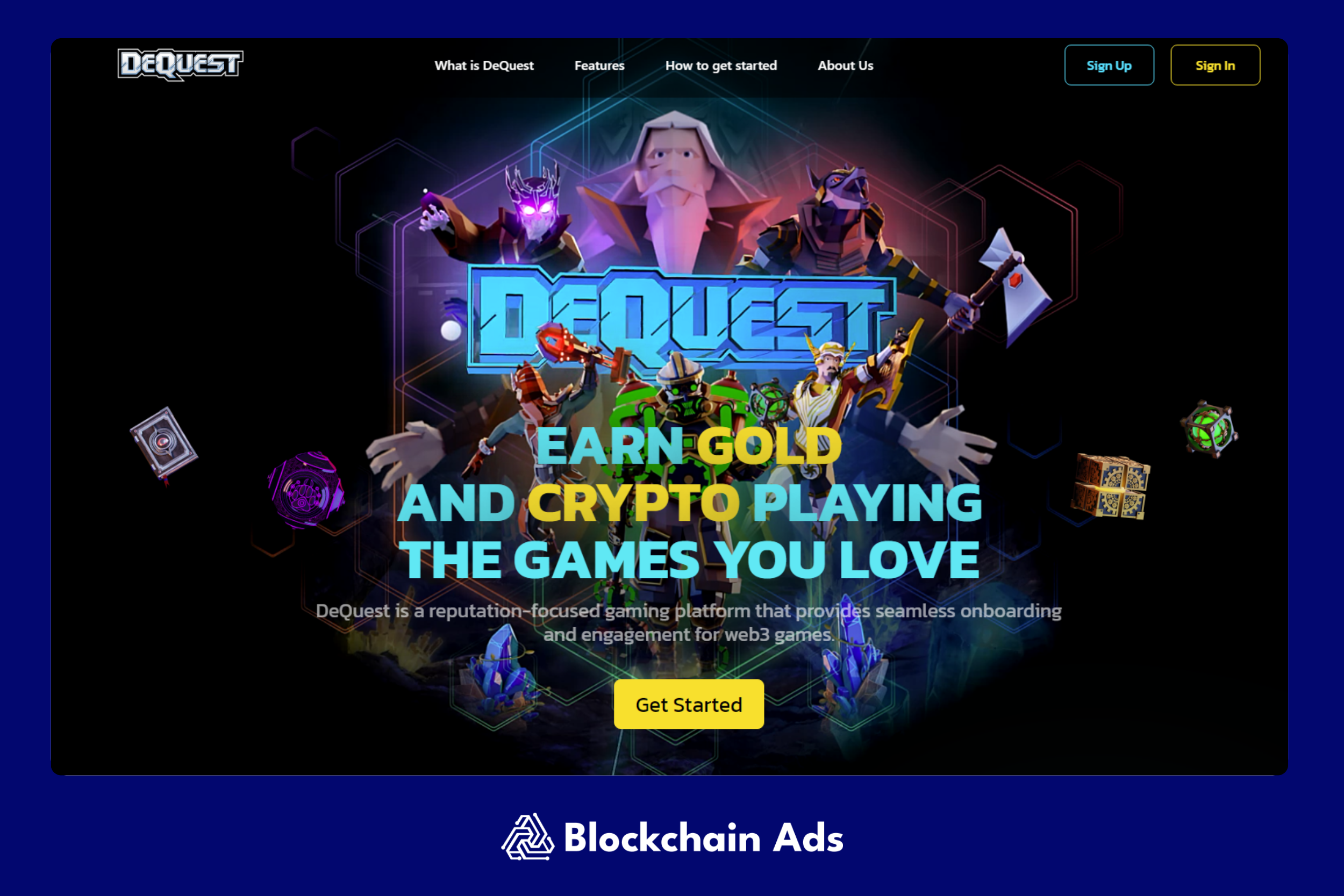
DeQuest is a Web3‑powered gaming platform that uses a “Quest 2 Earn” model across major blockchains like Ethereum and Solana. It bridges traditional gaming with blockchain by letting users choose between Web2 and Web3 games, complete in‑game and social quests, and earn tokens or NFTs as rewards.
A core focus is education. DeQuest helps onboard gamers into blockchain‑based gaming while they play, teaching them about wallets, on‑chain items, and GameFi mechanics through interactive quests. Users also build a reputation profile as they complete more quests and perform well in supported games.
With a user base exceeding 300,000 and integrations with projects like Decentraland, Synergy Land, and Skyweaver, DeQuest has gained strong traction among gaming communities.
Best for:
- Game studios, metaverse projects, and gaming guilds.
- Campaigns focused on new player onboarding and retention rather than pure airdrop farming.
6. SoQuest: The Buffet of Web3 Quests
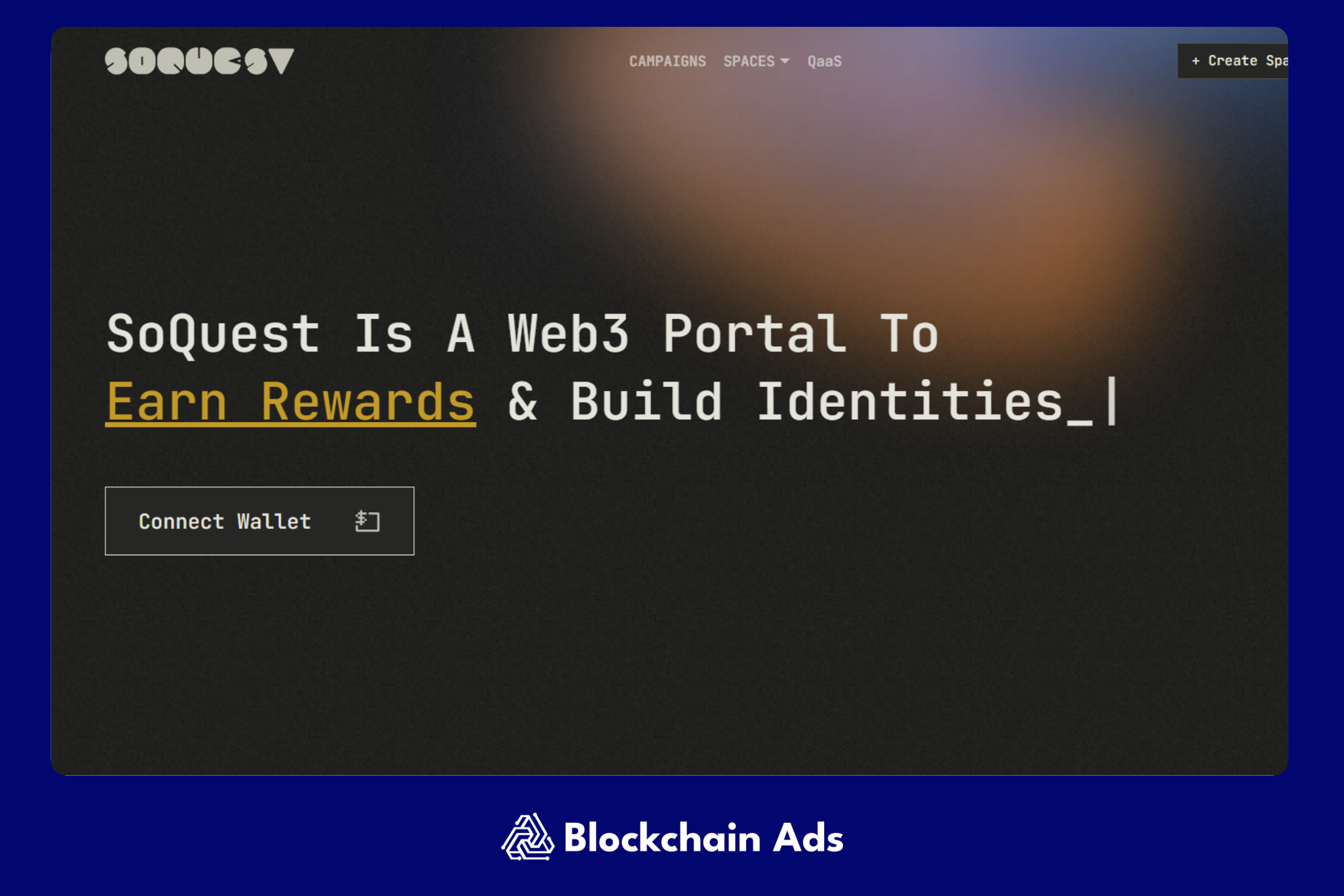
SoQuest is a Web3 task platform within the Port3 Network, designed to connect users with crypto‑related campaigns and rewards. It focuses on participation: users can play games, answer trivia, complete social actions, and interact with protocols to earn rewards.
SoQuest now boasts over 4.5 million Web3 users and partnerships with more than 5,000 projects. In August 2024, it launched its own Quest‑as‑a‑Service (QaaS) plugin for Telegram mini‑programs, which allows teams to run real quest verification directly inside Telegram. Projects like Poolz Finance, Magic Square, and Pontem already use this plugin for Telegram‑native campaigns.
This Telegram angle is a strong differentiator versus other platforms, which often rely more on web dashboards and Discord.
Best for:
- Projects with Telegram‑centric communities.
- Campaigns that need low‑friction, mobile‑first engagement and verification.
7. QuestN: Your Web3 Adventure Platform
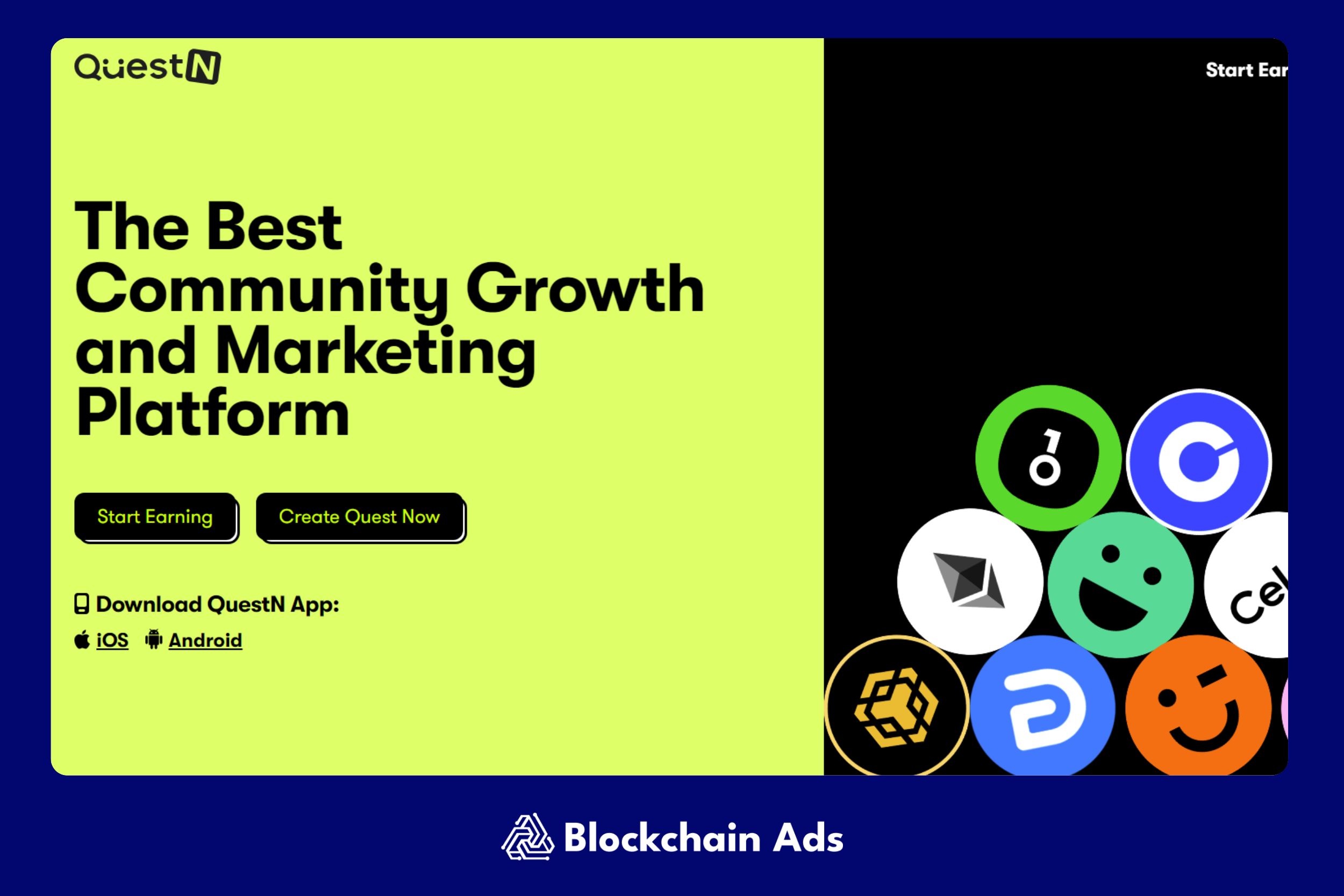
QuestN is an all‑in‑one community growth and marketing platform for Web3. It offers a unique egalitarian reward system that lets projects create customized quests and campaigns, while users complete tasks to earn rewards and discover new protocols.
The scale is hard to ignore. QuestN reports more than 206 million users, over 3.5 million NFTs minted, and almost 49,000 communities on the platform. These numbers show how widely it is used as a Growth‑as‑a‑Service (GaaS) solution for teams looking to expand their user base organically.
QuestN is particularly effective for broad, top‑of‑funnel campaigns and ecosystem pushes where reach and volume are key.
8. RabbitHole: Alice in Web3 Quest Platform
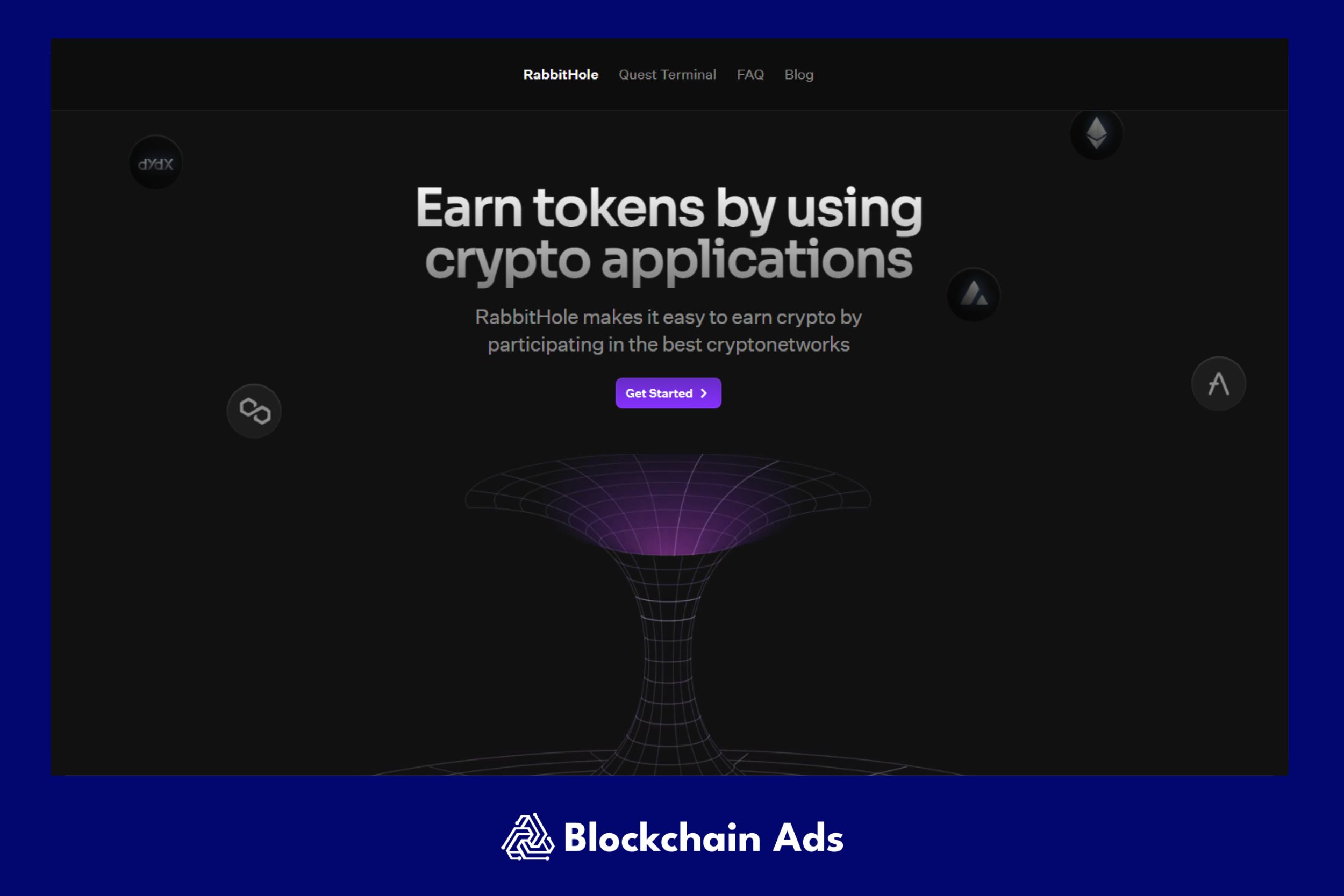
RabbitHole is a Web3 quest platform that gamifies the blockchain experience through on‑chain activities. Users earn crypto rewards by completing quests that involve real protocol usage, such as swaps, staking, liquidity provision, or governance actions.
At its core, RabbitHole uses the Quest Protocol. This allows projects to define quests tied to specific on‑chain actions and then distribute rewards only when those actions are verified on‑chain. It creates a win‑win: users gain hands‑on experience with different dApps, while projects increase engagement and drive real, trackable usage.
Because quests are tightly bound to protocol interactions, RabbitHole tends to attract more serious users who are willing to go beyond simple social tasks.
Best for:
- DeFi and infra projects that want users to try specific on‑chain workflows.
- Education‑driven campaigns tied tightly to protocol usage and on‑chain KPIs.
9. DappBack: Be a Community Hero, Get Rewarded

DappBack is a rewards platform that turns everyday online and on‑chain activities into earning opportunities. Users can play games, answer quizzes, follow social channels, visit websites, make purchases, and leave reviews, then receive cashback, cryptocurrencies, NFTs, or products as rewards.
What sets DappBack apart is its focus on the full customer journey. Tasks are designed to guide users from initial discovery through to purchase and advocacy, not just top‑of‑funnel exposure. A Chrome extension makes it easy for users to earn during their regular browsing and shopping.
For brands, DappBack offers a pay‑as‑you‑go model for ad engagement and purchases, which makes it appealing to DTC businesses and consumer‑facing Web3 projects.
Best for:
- Consumer brands and DTC projects that want Web2 + Web3 actions in one funnel.
- Campaigns that connect marketing spend directly to revenue‑related behaviors like purchases and reviews.
10. Layer3: Web3 Task Marketplace
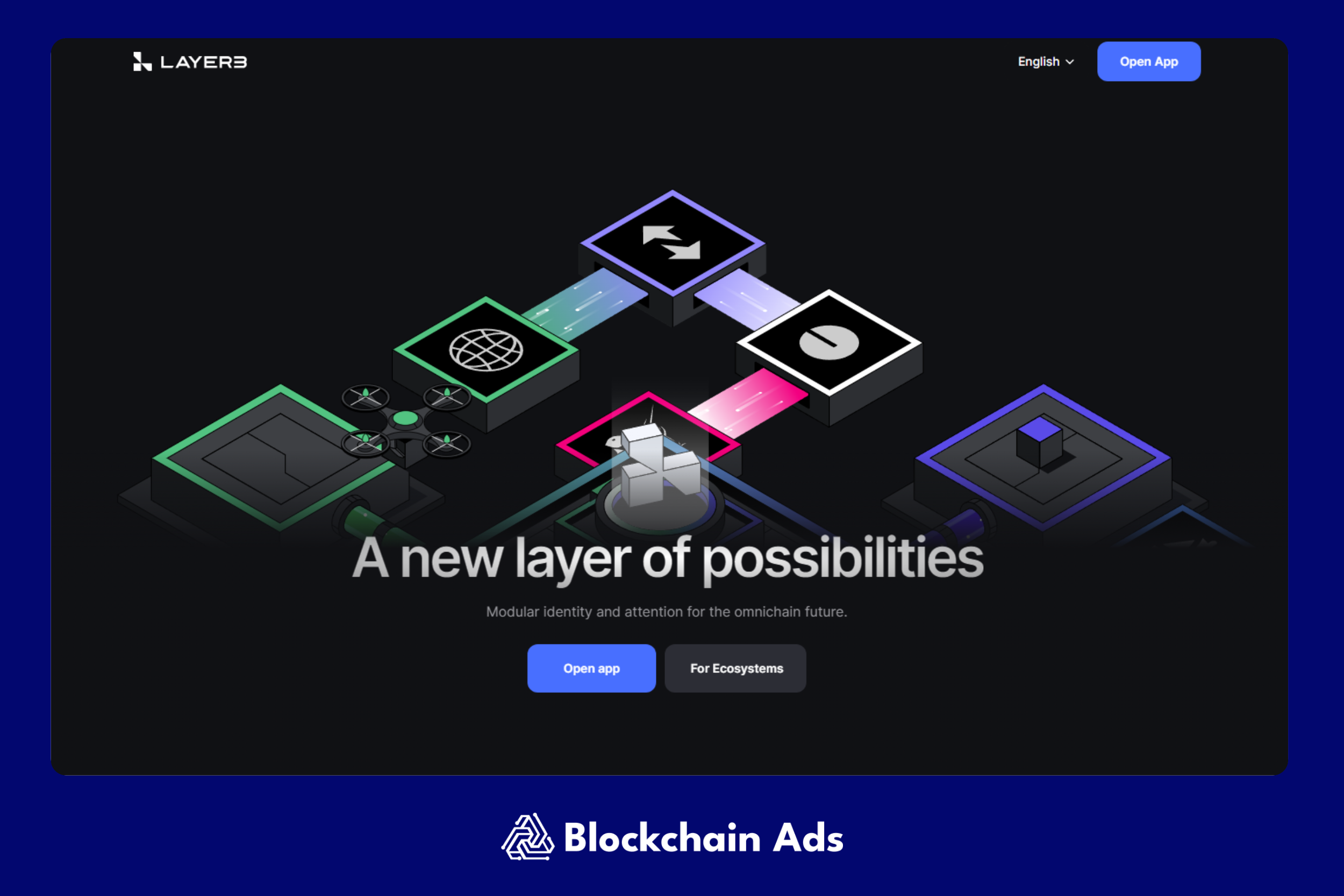
Layer3 is a quest‑based system that makes exploring Web3 more immersive and rewarding. Users complete tasks organized into collections and categories and earn XP, NFTs, and in many cases eligibility for token airdrops.
The platform spans more than 25 blockchains and counts over 1 million active users. To date, users have earned over 10 million credentials and 40 million rewards through Layer3, supported by an interoperable credential infrastructure that unifies identity across ecosystems.
This credential layer makes it possible to target or gate quests based on past behavior across multiple networks. That is valuable for protocols that want to recognize and reward power users, not just first‑time visitors.
Best for:
- Cross‑chain protocols and infra that want multi‑network reach.
- Credential‑aware campaigns and complex airdrop/gating strategies.
Top Crypto Quest and Adjacent tools in 2026
Beyond full quest platforms, several specialized tools power reward logic, verification, education, and performance marketing inside quest campaigns.
1. Boost – On‑chain rewards protocol
Boost is an on‑chain rewards protocol used to incentivize specific on‑chain actions and is integrated into Web3 quest ecosystems such as RabbitHole and others. It lets projects programmatically reward verified on‑chain behavior, making it a flexible building block for “do‑to‑earn” quests and loyalty programs.
2. Rattle – Provably fair raffles and lotteries
Rattle provides on‑chain raffle and lottery infrastructure, ensuring provable fairness for giveaways, contest rewards, and random prize allocations. Quest platforms and projects can plug Rattle into their campaigns to add verifiable random draws rather than opaque or off‑chain selections.
3. ACQR – Incentivized Web3 learning tool
ACQR is a learn‑to‑earn tool that pays users to learn about Web3, sitting between pure education and questing. Projects can use it to fund targeted educational modules where users complete learning steps and receive rewards, then graduate into deeper quest platforms once they understand the basics.
4. KAZM – Web3 membership and loyalty infra
KAZM is an infrastructure layer for Web3 memberships and loyalty, letting projects issue and manage membership passes, roles, and perks tied to on‑chain behavior. It can complement quest platforms by turning repeated quest participation into durable membership states (tiers, clubs, loyalty levels).
5. BonusBlock – Incentivized user‑acquisition protocol
BonusBlock is a Web3 protocol and marketplace that helps projects grow their on‑chain user bases via incentive programs. It provides the tooling for creating, distributing, and tracking incentivized actions, which can be woven into broader quest campaigns as top‑of‑funnel acquisition mechanics.
6. zkSwap Finance – Swap‑to‑earn DEX mechanics
zkSwap Finance is a DEX on zkSync Era that implements “swap‑to‑earn” mechanics where trading and liquidity actions are rewarded similarly to quests. While primarily an exchange, its reward logic can be combined with external quest platforms to create deeper campaigns around volume, LP behavior, and long‑term engagement.
7. RubyScore – On‑chain ranking and scoring
RubyScore is an on‑chain ranking protocol that scores user activity across different parameters. Projects can plug RubyScore‑like scores into quest campaigns to gate high‑value rewards, prioritize reputable users, or segment participants by quality rather than pure volume.
8. Saakuru – Zero‑gas L2 and wallet stack
Saakuru provides a gas‑less L2 and wallet environment, lowering friction for users performing frequent on‑chain actions. Quest platforms and campaigns can leverage Saakuru as infrastructure to let users complete multiple on‑chain quests without worrying about gas fees, improving conversion and retention.
9. claimr – Quest management and analytics engine
claimr is a dedicated quest management and data tool that lets Web3 projects design, track, and analyze on‑chain quest campaigns. It provides verification logic, user acquisition analytics, and reporting, making it a back‑end engine that can work alongside front‑end quest platforms or custom UIs.
10. DMission – Cross‑ecosystem quest execution tool
DMission offers quest tooling focused on “sweeping” missions across different decentralized ecosystems. It helps projects coordinate and verify tasks across chains and platforms, which is useful when running distributed campaigns that are not constrained to a single quest UI.
What is the best Quest platform for crypto?
Galxe is considered one of the best crypto quest platforms for 2024, offering a community-oriented approach to quests in crypto with a focus on educational campaigns and user engagement. It features streamlined campaign creation tools, allowing projects to easily launch quests while providing users with opportunities to earn rewards through various blockchain tasks and social interactions.
The top crypto quest platforms are characterized by several innovative features that enhance user engagement and community building. Customizable rewards on platforms like SoQuest and TaskOn allow projects to tailor incentives, attracting participants by aligning rewards with user interests.
Additionally, platforms like Galxe and Layer3 provide access to quests from multiple projects, enabling users to explore a wide range of tasks and rewards. Collectively, these features not only make crypto quests more engaging but also play a vital role in educating users and fostering communities within the Web3 ecosystem.
How to choose the right quest platform
Picking the right platform depends less on “who is biggest” and more on your audience, objectives, and constraints. Here are key steps to map them:
Step 1: Define your audience
- If your users are DeFi‑native, start with RabbitHole, TaskOn, Layer3, or Galxe.
- If you focus on NFT collectors and communities, look at Zealy, Galxe, Layer3, or DappBack.
- If you target Web2 gamers and metaverse users, consider DeQuest and OviO.
- If your community lives in Telegram, prioritize SoQuest and its Telegram QaaS plugin.
Step 2: Clarify your main goal
- For launch awareness and follower growth, use QuestN, Zealy, SoQuest, or TaskOn.
- For deep product usage and education, choose RabbitHole, Layer3, Galxe, or TaskOn.
- For gaming‑focused retention, pick DeQuest or OviO.
- For commerce and purchases, use DappBack or Atok.
Step 3: Decide how strict you need to be about fraud
- If you need strong on‑chain verification and decentralized infrastructure, use TaskOn, RabbitHole, or Layer3.
- If you want to gate access with credentials and reputation, lean on Galxe or Layer3, and add RubyScore on top.
Step 4: Combine one or two core platforms
- Pick one main platform for community and discovery (for example Galxe, Zealy, QuestN, or SoQuest).
- Add one “depth” platform focused on real usage and credentials (for example TaskOn, RabbitHole, or Layer3).
- Avoid spreading the same campaign across too many platforms at once.
How to design high‑performing quest campaigns
To unlock the full value of these platforms, campaigns need thoughtful design—not just random task lists.
Guidelines that outperform simple airdrop‑style drops:
- Tie quests to real product milestones
- For a DeFi protocol: connect wallets, make first swap, provide liquidity, vote once in governance, then join a feedback survey.
- For a game: create an account, complete tutorial, finish first quest chain, join guild Discord, share gameplay clip.
- Use progression and tiers
- Organize quests into beginner → intermediate → advanced, with escalating rewards and status signals (roles, badges, credentials).
- This keeps users moving through your funnel over weeks rather than days.
- Balance on‑chain and social tasks
- Start with low‑friction social/educational tasks, then move into higher‑value on‑chain actions once trust is established.
- Measure drop‑off at each step to refine difficulty and reward sizing.
- Incorporate anti‑sybil practices
- Use credential checks, minimum wallet ages, multi‑step tasks, and possibly KYC for high‑value campaigns.
- Favor quests that require some friction (e.g., real usage) over trivial social spam.
How can project founders boost engagement in quest campaigns?
Quest platforms are powerful, but they work best when the right users actually discover your campaign.
Blockchain‑Ads can layer performance‑based acquisition on top of Zealy, Galxe, TaskOn, QuestN, and others by:
- Driving targeted traffic from 10,000+ Web3‑relevant sites and 37 blockchains directly into your quest funnel.
- Optimizing for concrete outcomes such as verified quest completions, wallet sign‑ups, trading volume, or active users rather than raw clicks.
- Providing analytics that connect ad impressions and quest completions to on‑chain behavior and revenue metrics
This approach enables project founders to connect with potential users who are more likely to engage, driving higher participation rates and loyalty.
For example Compound launched campaign on Blockchain-Ads for their Layer 3 Quest platform to drive user engagement and growth. In 20 days, Compound saw a 400% increase in trading volume and gained 3,058 new users by leveraging quests to incentivize participation, showcasing the effectiveness of quest-driven marketing in DeFi.
In addition to paid advertising, project founders can boost engagement through gamified quest campaigns that incentivize user participation.
Qualify and get acess to Blockchain-Ads
Lorem ipsum dolor sit amet, consectetur
.avif)

Quick Definition
Read related blogs





Talk with some of our current partners
View all success stories

Reach 12M+
Engaged Web3 users across 10,000+ websites and 37 blockchains.